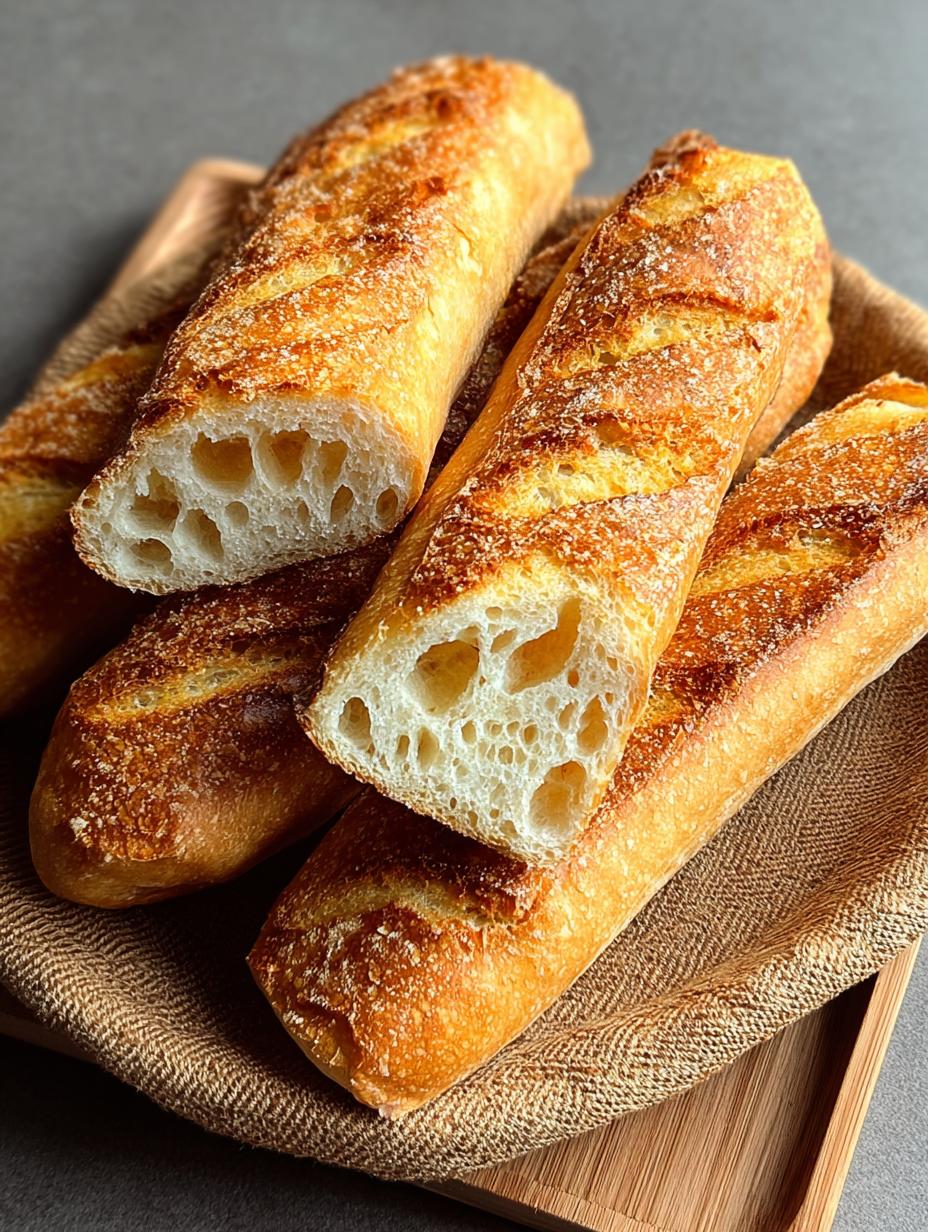
Banh Vietnamese Baguette has been a culinary adventure I’ve wanted to embark on for ages, and I’m so excited to finally share it with you! There’s something truly special about the aroma of freshly baked bread filling your kitchen, and these baguettes are no exception. I remember my first bite of a truly authentic Vietnamese baguette sandwich on a bustling street in Hanoi – the crust was impossibly crisp, the inside wonderfully airy, and it was the perfect vessel for flavorful fillings. This recipe aims to recreate that exact experience, bringing the taste of traditional banh mi bread right into your home. Get ready for a delightful baking journey that’s surprisingly achievable. Let’s get cooking!
Why You’ll Love This Banh Vietnamese Baguette
You’re going to adore making and devouring these amazing baguettes. They’re more than just bread; they’re an experience!
- Unbeatable fresh-baked taste that store-bought can’t match.
- Achieve that perfect, craveable crispy Vietnamese baguette crust.
- The light and airy inside offers an ideal banh mi baguette texture for your favorite fillings.
- Surprisingly quick prep time means delicious results without a huge time commitment.
- A budget-friendly way to enjoy authentic Vietnamese flavors at home.
- Healthier than many store-bought options, with simple, wholesome ingredients.
- Family-friendly – kids love helping shape the dough!
- Perfect for making your own delicious Vietnamese baguette sandwiches.
Ingredients for Banh Vietnamese Baguette
Gathering the right Banh mi roll ingredients is key to unlocking that authentic Vietnamese flavor. Here’s what you’ll need for these delightful baguettes:
- 1 cup Water at room temperature – this is the base for our dough.
- 4 cups Bread Flour (with at least 12% protein) – essential for that chewy texture and structure.
- 1 tbsp Bread Improver – this is a secret weapon for many bakers, helping to strengthen gluten and improve dough extensibility, leading to a better rise and texture.
- 2 tsp Instant Dry Yeast – for that crucial lift and airy crumb.
- 1 tbsp Sugar – feeds the yeast and helps with browning.
- 1 tsp Vitamin C Powder – also known as ascorbic acid, it acts as a dough conditioner, enhancing gluten development and dough strength, contributing to that perfect baguette structure.
- 1 tbsp Salt – for flavor and controlling yeast activity.
- 2 tbsp Vegan Butter (for brushing) – gives the crust a beautiful sheen and subtle richness after baking.
- Fresh Cilantro (optional topping)
- Pickled Carrots & Daikon (optional topping)
- Chili Slices (optional topping)
How to Make Banh Vietnamese Baguette
Follow these steps to create your perfect baguettes. Learning how to make banh mi baguette is easier than you think!
- Step 1: Begin by preheating your oven to a gentle 86°F (30°C). This low temperature is crucial for the initial proofing stage. Place a heatproof bowl filled with boiling water on the bottom rack of your oven. This creates the steamy environment necessary for beautiful baguettes.
- Step 2: In the bowl of a stand mixer fitted with a dough hook, combine the room-temperature water, bread flour, bread improver, instant dry yeast, sugar, and vitamin C powder. Mix on low speed for about 2 minutes, then increase to medium speed and knead for a full 8 minutes. You’re looking for a dough that’s smooth, elastic, and pulls away cleanly from the sides of the bowl.
- Step 3: Turn the dough out onto a lightly floured surface. Gently divide it into six equal portions, each weighing about 3.5 ounces. Shape each piece into a long, slender log, aiming for 8-10 inches in length. Be careful not to overwork the dough at this stage.
- Step 4: Place the shaped logs onto a baking sheet lined with parchment paper, ensuring they have a little space between them. Carefully transfer the baking sheet back into the warm oven (still at 86°F/30°C). Let the banh mi dough proof for 1.5 to 2 hours, or until it has quadrupled in size. This long proofing time is key to developing that signature airy texture.
- Step 5: Once the dough has quadrupled, increase your oven temperature to 400°F (200°C). Prepare your steaming setup by placing an empty cast-iron skillet on the very bottom rack of the oven.
- Step 6: Using a very sharp razor blade or lame, carefully score the tops of the proofed baguettes at a 45-degree angle. Make about 3-4 quick, decisive slashes on each baguette. This allows the bread to expand beautifully in the oven.
- Step 7: Carefully pour about 1 cup of hot water into the preheated skillet on the oven’s bottom rack – be cautious of the steam! Immediately place the baking tray with your scored baguettes onto the middle rack.
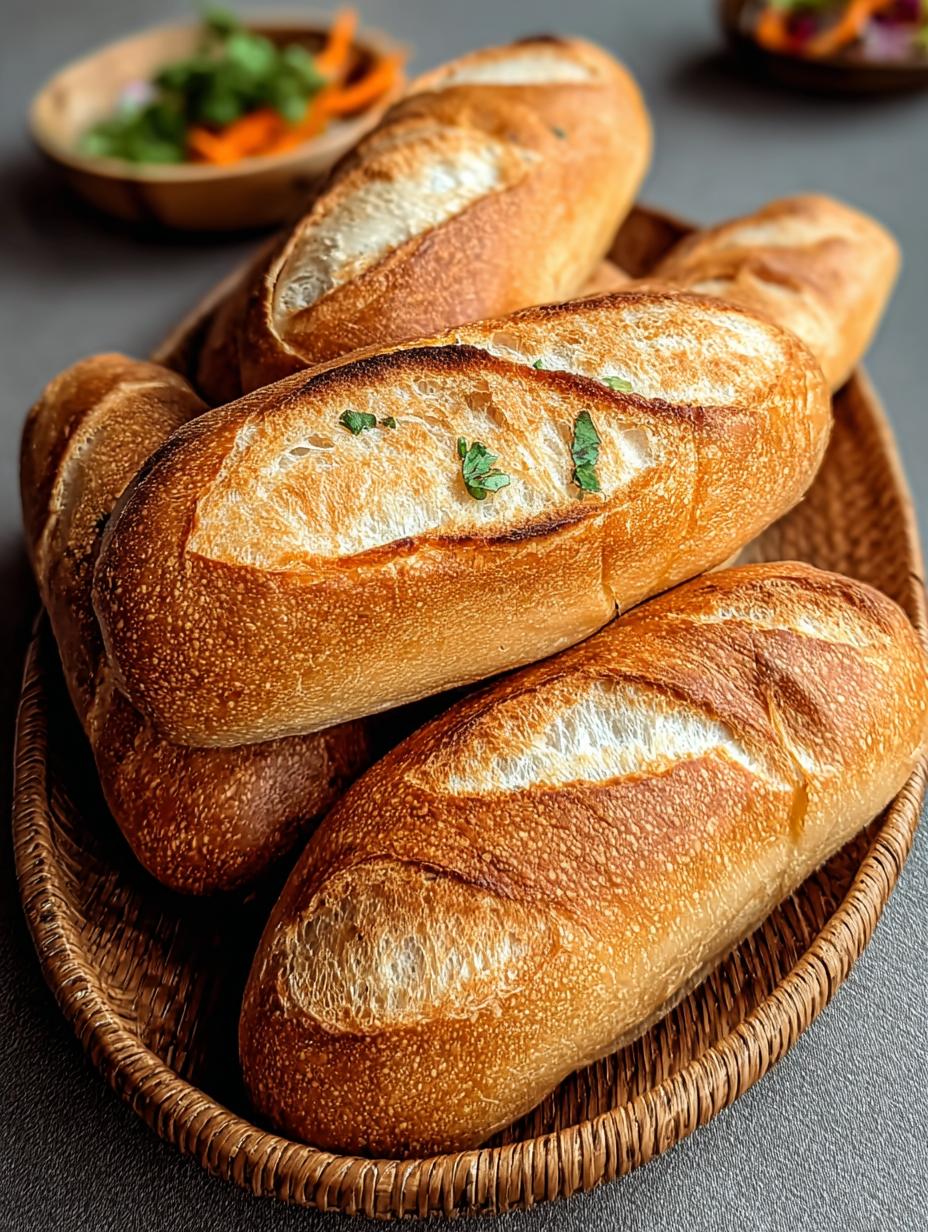
- Step 8: Bake for 7-8 minutes with the steam. Then, carefully remove the skillet of water. Continue baking for an additional 4-5 minutes, or until the baguettes are a deep golden brown and sound hollow when tapped on the bottom.
- Step 9: Remove the baguettes from the oven and let them cool on a wire rack for at least 5 minutes. While still warm, brush the crusts with melted vegan butter for a glossy finish that adds a subtle richness. Enjoy your homemade banh mi baguette!
Pro Tips for the Best Banh Vietnamese Baguette
Achieving that perfect bakery-quality baguette at home is totally within reach with a few key tricks. I’ve learned these over time and they make all the difference!
- Always use bread flour with a high protein content (12% or more) for that ideal chewy structure.
- Don’t skimp on proofing time; letting the banh mi dough develop fully is crucial for a light, airy interior.
- Ensure your oven has a good steam environment during the initial baking phase – this is key for a crispy crust.
- Handle the dough gently after the first proof to preserve the air bubbles.
What’s the secret to perfect Banh Vietnamese Baguette?
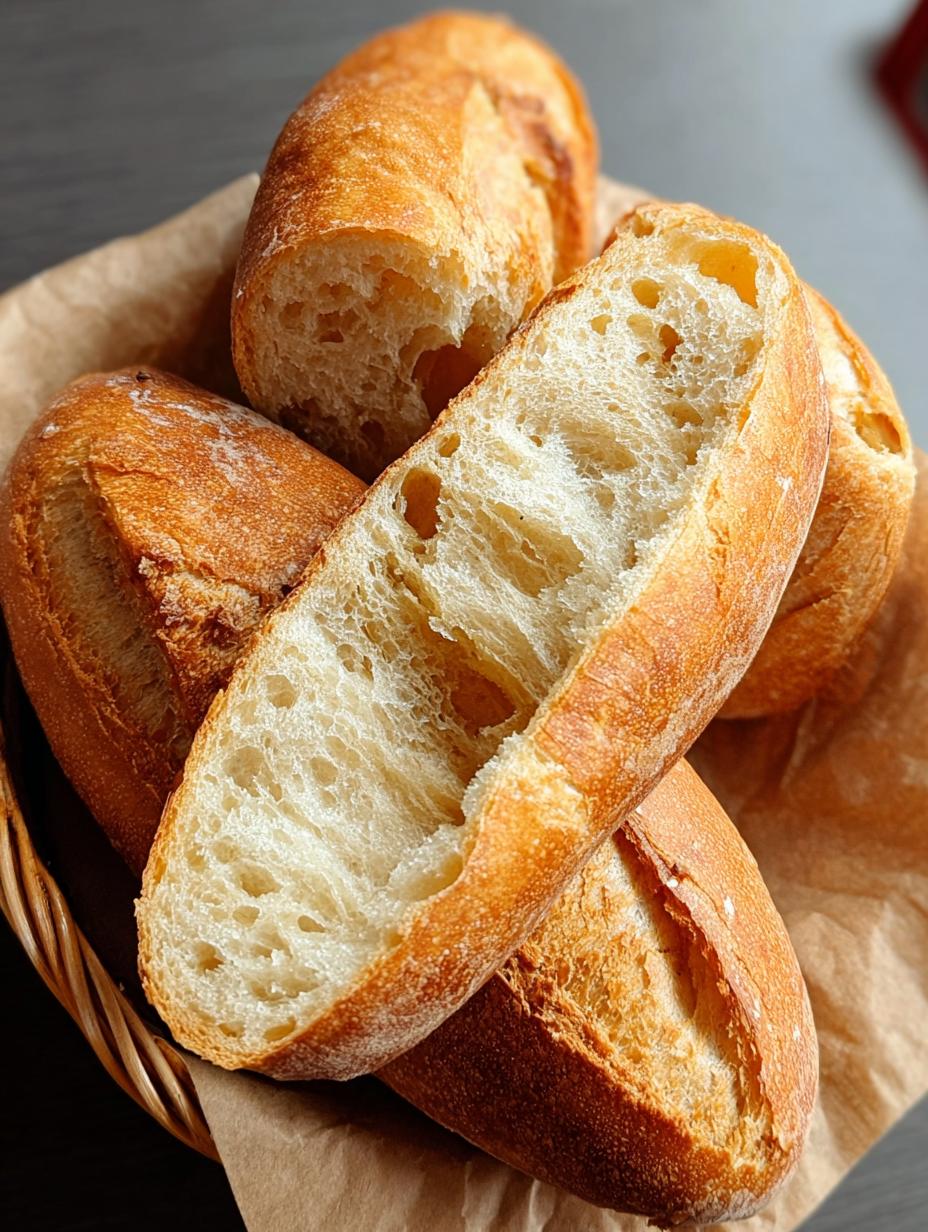
The magic lies in creating a steamy oven environment and a long, slow proof. This combination is what gives the Banh Vietnamese Baguette its signature airy interior and incredibly banh mi baguette crust.
Can I make Banh Vietnamese Baguette ahead of time?
Yes, you can prepare the dough up to 24 hours in advance. After shaping, cover it well and refrigerate. Let it come to room temperature for about an hour before scoring and baking, adding a few extra minutes to the bake time.
How do I avoid common mistakes with Banh Vietnamese Baguette?
A common pitfall is under-proofing, which results in dense bread. Make sure your dough quadruples in size! Also, resist the urge to open the oven door during the steaming phase, as this releases the vital moisture needed for a great crust.
Best Ways to Serve Banh Vietnamese Baguette
These aren’t just any rolls; they are the foundation for an unforgettable Vietnamese baguette sandwich. The beauty of this authentic banh mi bread is its incredible versatility. I love slicing them lengthwise and filling them with savory grilled pork, pickled daikon and carrots, fresh cilantro, and a spicy mayo – pure perfection! You can also enjoy them simply toasted with a bit of butter, or as a side for a hearty bowl of pho. Their light, airy interior and crispy exterior make them the ideal vehicle for all sorts of delicious fillings, from pâté and cold cuts to vegetarian options like tofu or mushrooms.
Nutrition Facts for Banh Vietnamese Baguette
Here’s a look at the estimated nutritional breakdown for one of these delightful baguettes. They’re surprisingly light!
- Calories: 150 kcal
- Fat: 1 g
- Saturated Fat: 0 g
- Protein: 5 g
- Carbohydrates: 29 g
- Fiber: 1 g
- Sugar: 1 g
- Sodium: 400 mg
Nutritional values are estimates and may vary based on specific ingredients used.
How to Store and Reheat Banh Vietnamese Baguette
Proper storage is key to keeping your homemade Vietnamese baguettes delicious for days. Once they’ve completely cooled on a wire rack – this is super important to prevent sogginess – you can store them. For short-term storage, up to 3-4 days, place them in a paper bag or a bread box. This allows air circulation, which helps maintain their crispiness. If you want to keep your banh mi baguette fresh for longer, up to 3 months, freezing is your best bet. Wrap each baguette tightly in plastic wrap, then in a layer of aluminum foil or a freezer bag to prevent freezer burn. Understanding understanding banh mi baguette longevity means knowing these storage methods.
To reheat your baguettes and bring back that lovely crispiness, preheat your oven to 350°F (175°C). You can place them directly on the oven rack for about 5-7 minutes, or until warmed through and the crust is revived. For an even crispier crust, a quick blast under the broiler for a minute or two works wonders, just watch them closely!
Frequently Asked Questions About Banh Vietnamese Baguette
What is banh mi bread?
Banh mi bread refers to the unique Vietnamese baguette that’s a staple for the popular banh mi sandwich. Unlike its French counterpart, it’s lighter, airier inside, and has a thinner, crispier crust thanks to specific ingredients and baking techniques like steaming. For more on the history of this bread, you can explore Vietnamese cuisine.
How does Banh mi baguette compare to a French baguette?
While both are baguettes, the banh mi baguette is distinct. It uses bread flour with higher protein content and often includes bread improver and vitamin C for a stronger gluten structure. The baking process, especially the use of steam and specific proofing, results in a noticeably lighter crumb and a shatteringly crisp crust compared to the denser, chewier French baguette. You can learn more about the science behind bread making at King Arthur Baking.
How do I ensure I have the best banh mi baguette?
To achieve the best banh mi baguette, focus on high-protein bread flour, proper proofing in a warm, humid environment, and creating a steamy oven during the initial bake. Don’t overwork the dough, handle it gently, and use a sharp blade for scoring to get that perfect expansion and crust. For more tips on achieving the perfect crust, check out this guide on crust development.
Where can I buy banh mi baguette if I don’t bake it myself?
You can often find authentic banh mi baguette at Vietnamese bakeries and specialty Asian markets. Look for places that focus on authentic Vietnamese cuisine, as they are most likely to have fresh, high-quality baguettes. Sometimes, even local bakeries might offer them if they specialize in international breads.
Variations of Banh Vietnamese Baguette You Can Try
While this recipe gives you that classic, authentic taste, you can absolutely get creative with your Banh Vietnamese Baguette journey! Thinking about the Banh mi baguette history, you can see how it evolved from French bread, and we can continue that evolution. For a healthier twist, you could experiment with incorporating some whole wheat flour, though this will change the texture and might require adjusting liquid. If you’re curious about why is banh mi baguette hollow, it’s due to the steam and rapid rise, which can be influenced by proofing times. For a quicker bake, try slightly smaller rolls which will cook faster. You could also experiment with adding a sprinkle of sesame seeds or finely chopped herbs to the dough before baking for a unique flavor profile.
Print
Banh Vietnamese Baguette: Crispy crust, airy inside
- Total Time: 2 hours 45 minutes
- Yield: 6 baguettes 1x
- Diet: Vegetarian
Description
Learn to make authentic Vietnamese Bánh Mì baguettes at home. These baguettes are light, fluffy, and have a crispy crust, perfect for sandwiches or enjoying on their own. This recipe guides you through the process of creating these delightful loaves.
Ingredients
- 1 cup Water at room temperature
- 4 cups Bread Flour (with at least 12% protein)
- 1 tbsp Bread Improver
- 2 tsp Instant Dry Yeast
- 1 tbsp Sugar
- 1 tsp Vitamin C Powder
- 1 tbsp Salt
- 2 tbsp Vegan Butter (for brushing)
- Fresh Cilantro (optional topping)
- Pickled Carrots & Daikon (optional topping)
- Chili Slices (optional topping)
Instructions
- Preheat your oven to 86°F (30°C) and place a bowl of boiling water inside to create steam.
- In a stand mixer, combine water, bread flour, bread improver, yeast, sugar, and vitamin C powder. Knead for 8 minutes until smooth and elastic.
- Divide the dough into six equal pieces (about 3.5 oz each) and shape them into 8-10 inch logs.
- Place the logs on parchment paper on a baking sheet. Return to the warm oven and proof for 1.5 to 2 hours until quadrupled in size.
- Increase oven temperature to 400°F (200°C). Prepare a steaming method by placing an iron skillet filled with water on the bottom rack.
- Score the tops of the proofed baguettes at a 45-degree angle using a razor blade.
- Pour hot water into the preheated skillet for steam. Place the baking tray with baguettes in the oven.
- Bake for 7-8 minutes with steam, then remove the skillet and bake for an additional 4-5 minutes until golden brown and crispy.
- Cool the baguettes on a wire rack for a few minutes. Brush the crusts with melted vegan butter for a shiny finish.
Notes
- Use bread flour with at least 12% protein for best results.
- Adjust water quantity based on your flour’s absorption rate.
- Do not open the oven door during the initial steaming phase.
- Ensure the dough quadruples in size during proofing for an airy texture.
- Use a sharp razor blade for clean scoring.
- This recipe is for authentic Vietnamese Bánh Mì baguettes.
- Prep Time: 30 minutes
- Cook Time: 15 minutes
- Category: Baking
- Method: Baking
- Cuisine: Vietnamese
Nutrition
- Serving Size: 1 baguette
- Calories: 150 kcal
- Sugar: 1 g
- Sodium: 400 mg
- Fat: 1 g
- Saturated Fat: 0 g
- Unsaturated Fat: 1 g
- Trans Fat: 0 g
- Carbohydrates: 29 g
- Fiber: 1 g
- Protein: 5 g
- Cholesterol: 0 mg
Keywords: Banh Vietnamese Baguette, Vietnamese baguette sandwich, Banh mi baguette recipe, Authentic banh mi bread, What is banh mi bread, How to make banh mi baguette, Crispy Vietnamese baguette, Banh mi roll ingredients, Vietnamese sandwich bread, Best banh mi baguette, Banh mi baguette crust, Banh mi baguette texture, Where to buy banh mi baguette, Banh mi baguette history, Why is banh mi baguette hollow, Banh mi baguette vs French baguette, Traditional banh mi bread, Banh mi baguette for sale, Understanding banh mi baguette, Banh mi bread, Banh mi dough